

L- Glutathione:
L Glutathione (GSH) is a vital antioxidant and detoxifier in the liver that helps protect cells from oxidative stress and damage.
Key functions of GSH in the liver
• Detoxification: GSH helps the liver flush out toxins, including drugs and xenobiotics
• Antioxidant: GSH protects cells from oxidative stress by quenching reactive oxygen species (ROS) and scavenging reactive nitrogen species (RNS)
• Redox regulation: GSH regulates the thiol-disulfide status of the cell
• Cell survival: GSH is critical for cellular functions and survival
How GSH is synthesized and exported
• GSH synthesis is regulated by the availability of cysteine and the concentration of GSH itself
• GSH is exported into bile and blood, mainly as reduced glutathione under basal conditions
• Under oxidative stress, the liver exports oxidized glutathione into bile
GSH and liver disease
• GSH has been used to treat acute poisoning and chronic liver diseases by intravenous injection
• Small studies have shown that people with nonalcoholic fatty liver disease who took glutathione by mouth for 4 months had improved liver enzyme markers
GSH and oxidative stress
Oxidative stress occurs when there's an imbalance between the production of free radicals and the body's ability to fight them off. High levels of oxidative stress may be a precursor to multiple diseases.
References: BMC Gastroenterology volume 17, Article number: 96 (2017)
Licorice root extract (Glycyrrhiza glabra):
Licorice root extract (Glycyrrhiza glabra) can help protect the liver from injury and disease. It has anti-inflammatory and antioxidant properties.
How licorice root extract helps the liver
• Protects against fatty liver disease: Licorice can help protect against fatty liver disease caused by alcohol.
• Prevents liver injury: Licorice can help prevent liver injury from a variety of causes, including chemotherapeutic agents, prescription drugs, and obesity.
• Reduces liver inflammation: Licorice can help reduce liver inflammation by suppressing the release of Tumor Necrosis Factor (TNF-α).
• Regulates lipid metabolism: Licorice can help regulate lipid metabolism by regulating bile acid balance.
• Increases antioxidant enzyme activity: Licorice can help increase antioxidant enzyme activity.
• Decreases TNF-α production: Licorice can help decrease TNF-α production.
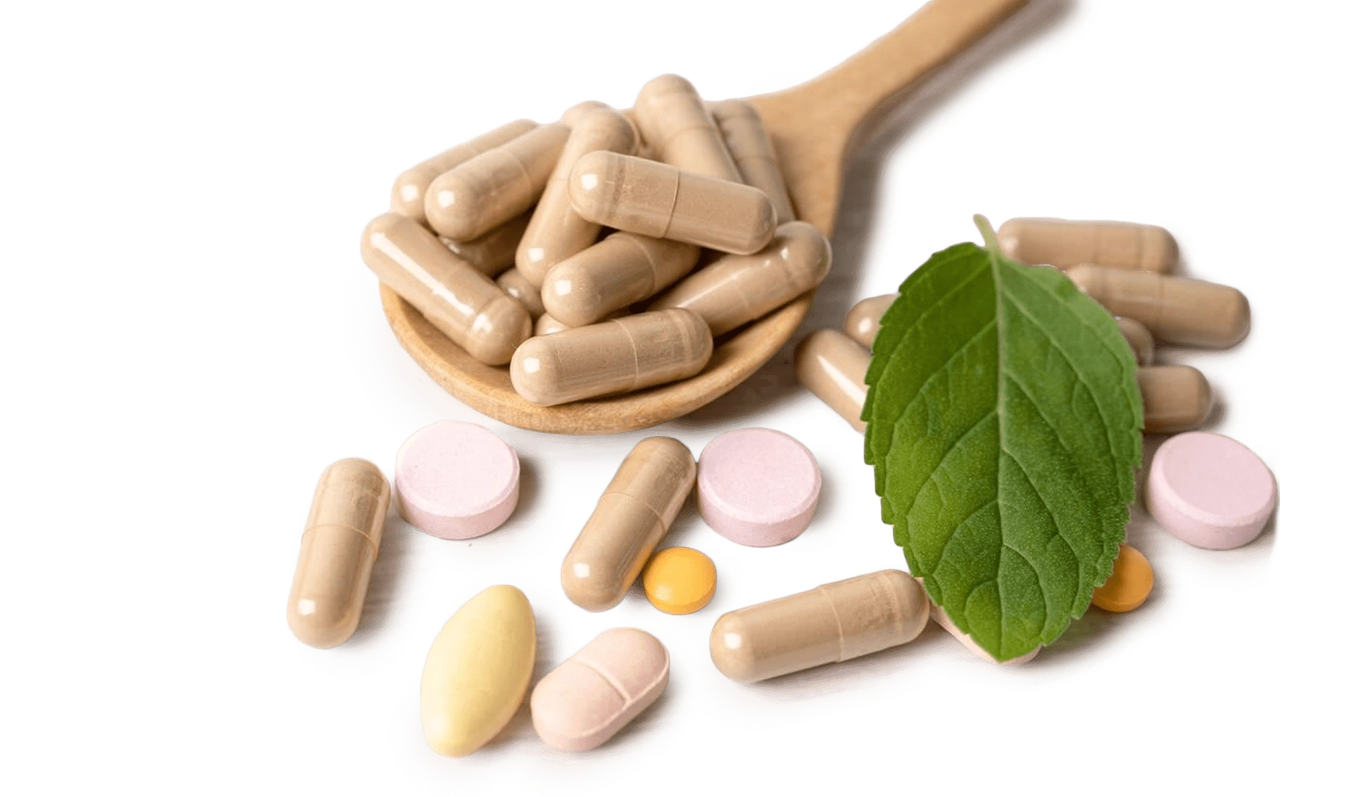
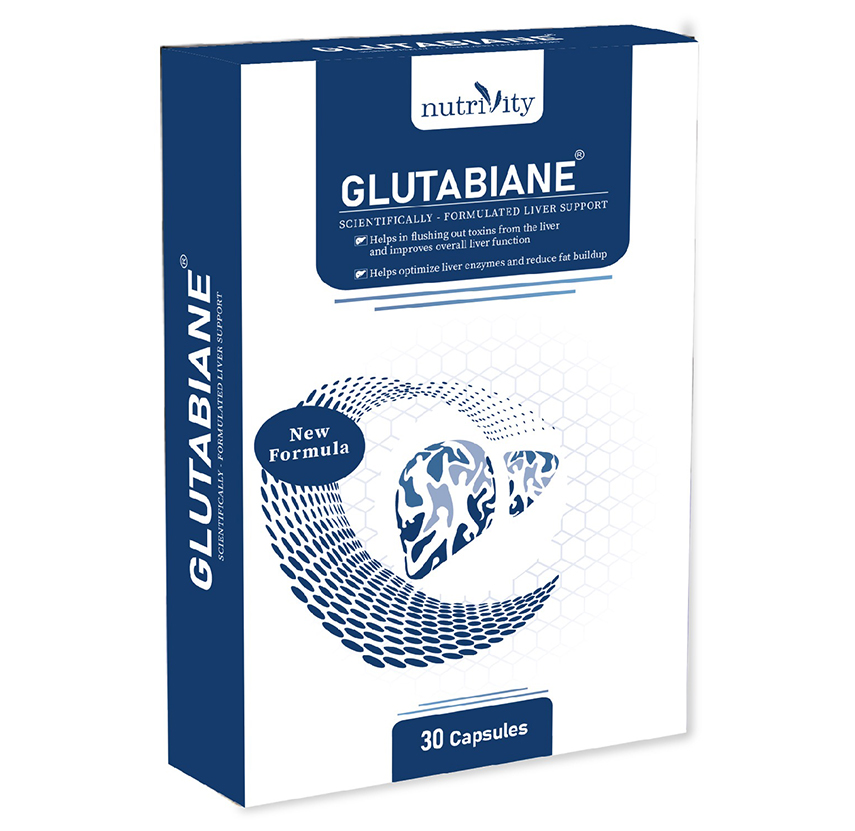
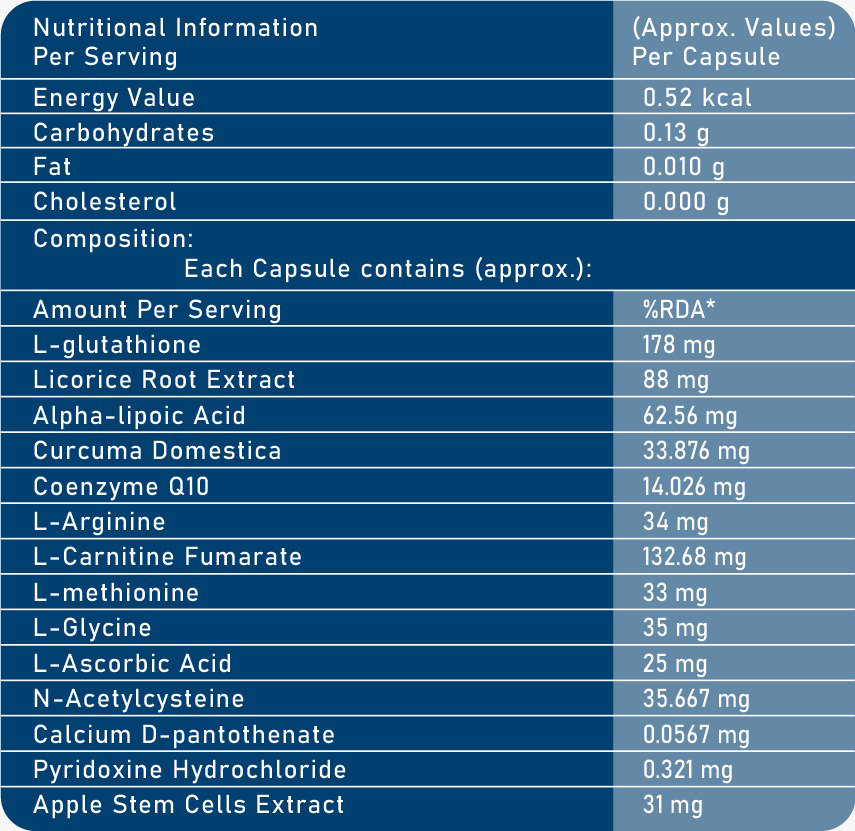
GLUTABIANE Liver Support is a scientifically formulated blend of plant extracts, vitamins, and antioxidants designed to support liver function, hepatoprotective and antioxidant properties. Its help to improve fatty liver, liver fibrosis and cirrhosis and lipid metabolism disorders and promote metabolic balance.

Alpha-lipoic acid (ALA) is a naturally occurring antioxidant that helps with liver function by reducing oxidative stress and inflammation. It can also help with liver regeneration and prevent liver damage.
• Reduces oxidative stress: ALA reduces reactive oxygen species (ROS) production, which can damage mitochondrial membranes.
• Prevents liver fibrosis: ALA can help prevent the development of hepatic fibrosis, which can lead to cirrhosis and liver failure.
• Regenerates liver: ALA can induce liver regeneration by inhibiting apoptosis.
• Prevents fatty liver: ALA can decrease lipid accumulation in the liver and prevent fatty liver disease.
• Detoxifies heavy metals: ALA may help detoxify heavy metals, such as mercury.
ALA has been used to treat a number of liver conditions, including: Alcohol-induced damage, Mushroom poisoning, Metal intoxification, CCl4 poisoning, and Diabetes-related neuropathy.
ALA is primarily metabolized in the liver through mitochondrial oxidation.
Reference : The effects of alpha lipoic acid on liver cells damages and apoptosis induced by polyunsaturated fatty acids
Author links open overlay panelFatma Kaya-Dagistanli a, Gamze Tanriverdi b, Ayfer Altinok c, Sibel Ozyazgan c, Melek Ozturk a

L-arginine is an amino acid that can help with liver function by reducing inflammation and oxidative stress. It may also help with liver regeneration.
• Reduces inflammation: Help reduce inflammation and oxidative stress associated with liver conditions like non-alcoholic fatty liver disease (NAFLD) and drug-induced liver injury.
• Improves liver regeneration: Improve liver regeneration after a major liver resection.
• Improves liver injury: Improve liver injury and reduce bacterial translocation to the liver.
• Improves vascular function: Improve vascular function and immunological response by increasing nitric oxide (NO) production.
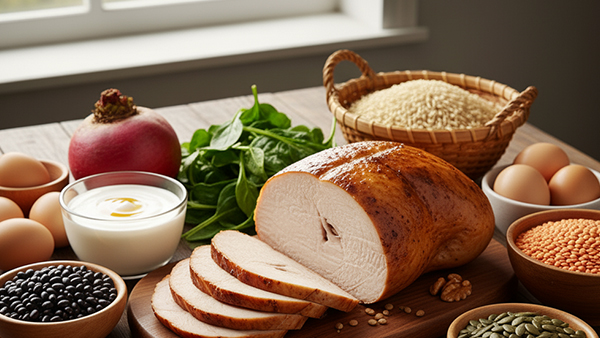
• Sources of L-arginine: It is found in most protein-rich foods, including fish, red meat, poultry, soy, whole grains, beans, and dairy products. It can also be taken as a supplement.
• Future research : Human studies are needed to determine the best dosage, long-term safety, and particular advantages of L-arginine supplementation for liver function.
Reference: The Effects of L-Arginine on Liver Damage in Experimental Acute Cholestasis an Immunohistochemical Study
Yucel Ozsoy,1 Mustafa Ozsoy,1 Teoman Coskun,2 Kemal Namlı,3
Ahmet Var,4 and Beyhan ¨ Ozyurt5
Received 22 September 2010;
Revised 3 April 2011; Accepted 13 April 2011

L-Carnitine plays a crucial role in liver function by acting as a transporter of fatty acids into the mitochondria, allowing them to be oxidized for energy production, essentially helping the liver manage lipid metabolism and preventing fat accumulation, which is particularly important in conditions like non-alcoholic fatty liver disease (NAFLD).
• Fatty acid transport:
L-carnitine's primary function is to shuttle long-chain fatty acids into the mitochondria where they can be broken down for energy, preventing fat build-up in the liver.
• Liver enzyme markers: Studies suggest that L-carnitine supplementation may help reduce elevated liver enzymes like alanine aminotransferase (ALT) and aspartate transaminase (AST), which are indicators of liver damage.
• NAFLD management: Due to its role in fat metabolism, L-carnitine is considered a potential therapeutic agent for NAFLD, potentially reducing liver fat content and improving liver function.
• Antioxidant effects:Some research indicates L-carnitine may also have antioxidant properties, further protecting the liver from damage.
• Liver disease complications:Studies have explored the potential benefits of L-carnitine in managing complications associated with liver cirrhosis, such as hepatic encephalopathy.
• Deficiency concerns: Low levels of L-carnitine can impair liver function, especially in conditions where fat metabolism is disrupted.
• Supplementation potential: While research is promising, further studies are needed to fully understand the optimal dosage and long-term effects of L-carnitine supplementation for liver health.
Reference: Role of Carnitine in Non-alcoholic Fatty Liver Disease and Other Related Diseases: An Update
Copyright and License information PMCID: PMC8381051 PMID: 34434943

L-ascorbic acid, also known as Vitamin C, plays a crucial role in liver function primarily as a potent antioxidant, protecting liver cells from damage caused by free radicals and potentially helping to mitigate liver injury by reducing oxidative stress, particularly in conditions like non-alcoholic fatty liver disease (NAFLD); research suggests it can improve liver function by maintaining the integrity of hepatocytes (liver cells) and regulating liver enzymes levels. Key points about L-ascorbic acid and liver function:
The primary function of vitamin C in the liver is to neutralize harmful reactive oxygen species (ROS) due to its antioxidant properties, thereby protecting liver cells from damage.
Studies have shown that vitamin C supplementation may have a protective effect against liver damage caused by toxins or other harmful substances.
Vitamin C may play a role in regulating lipid metabolism in the liver, potentially aiding in the management of conditions like NAFLD by reducing fat accumulation.
Research indicates that vitamin C can help maintain normal levels of liver enzymes like alanine aminotransferase (ALT) and aspartate aminotransferase (AST), which are markers of liver damage when elevated.
Some studies suggest that vitamin C may improve mitochondrial function within liver cells, further enhancing cellular health. Important considerations:
While vitamin C is generally considered safe, high doses may not necessarily provide additional benefits and could potentially cause gastrointestinal upset. Important considerations:
Consult a healthcare professional to determine the appropriate vitamin C intake based on your specific health needs and liver function.
Reference : Dietary Vitamin C Intake Is Associated With Improved Liver Function and Glucose Metabolism in Chinese Adults
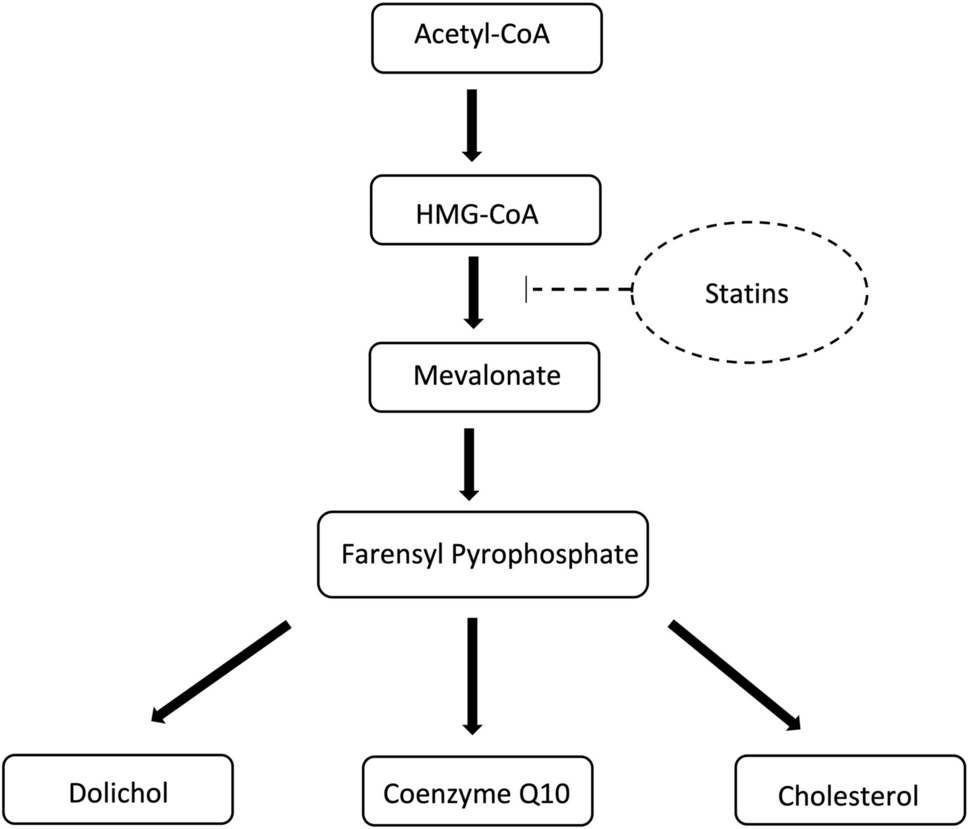
Coenzyme Q10 (CoQ10) is a natural antioxidant that may help with liver function by reducing inflammation and oxidative stress. It may also help with liver fibrosis and liver damage.
• Reduces inflammation: CoQ10 may reduce inflammation markers like C-reactive protein (CRP) and tumor necrosis factor alpha.
• Protects against oxidative damage: CoQ10 may protect liver tissue from damage caused by free radicals.
•Reduces liver fibrosis: CoQ10 may help improve histological features of liver fibrosis.
• One study found that CoQ10 supplementation reduced the grades of nonalcoholic fatty liver disease (NAFLD).
• Another study found that CoQ10 supplementation reduced liver aminotransferases like aspartate aminotransferase (AST) and gamma-glutamyl transpeptidase (GGT).
• A study found that CoQ10 supplementation reduced visceral fat volume and abdominal circumference.
Reference : Effects of coenzyme Q10 supplementation on lipid profiles and liver enzymes of nonalcoholic fatty liver disease (NAFLD) patients: A systematic review and meta-analysis of randomized controlled trials Ali Ardekani, Reza Tabrizi, Elham Maleki, Kamran Bagheri Lankarani, Seyed Taghi Heydari, Mehdi Moradinazar, Maryam Akbari First published: 13 March 2023
However, a meta-analysis of randomized controlled trials found that CoQ10 supplementation had a non-significant effect on liver enzymes in NAFLD patients.
Reference : Effects of coenzyme Q10 supplementation on lipid profiles and liver enzymes of nonalcoholic fatty liver disease (NAFLD) patients: A systematic review and meta-analysis of randomized controlled trials Ali Ardekani, Reza Tabrizi, Elham Maleki, Kamran Bagheri Lankarani, Seyed Taghi Heydari, Mehdi Moradinazar, Maryam Akbari First published: 13 March 2023
Here are some interesting links for you! Enjoy your stay
admin@glutabiane.com
Glutabiane nutriyity
Aug 2016
Here are some interesting links for you! Enjoy your stay :)f
© Copyright Glutathione Nutriyity GmbH